
Solutions
Self-test emergency and exit lighting
Emergency lighting that automates the entire testing lifecycle autonomously, without needing manual operator intervention.
- Auto-test Interval
- 90 days
Auto-test Interval - Test Duration
- 90 minutes
Test Duration
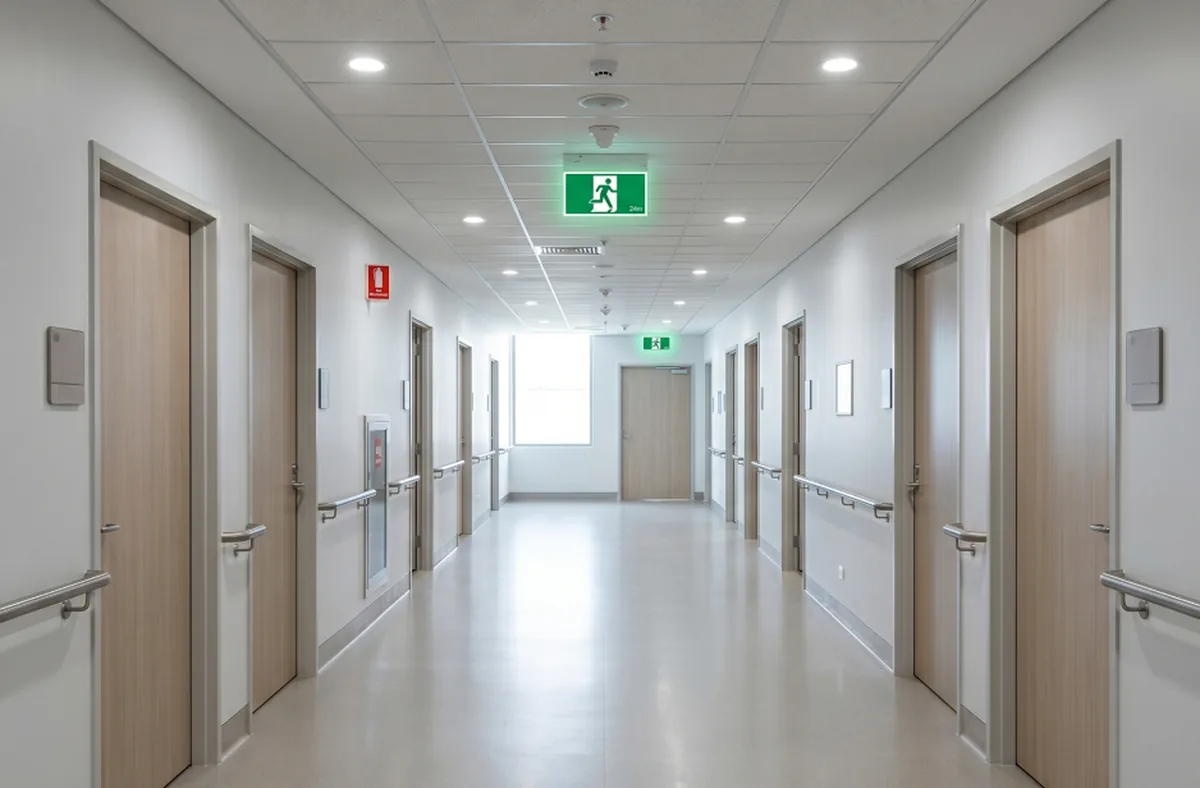
Automated compliance testing and effortless site maintenance
AS/NZS 2293.2 dictates every facility to run periodic emergency lighting duration tests. Traditionally this requires an electrician to manually cut circuit power, wait through a 90-minute discharge cycle, inspect every luminaire, and log the results.
Our Self-Test range automates the entire testing lifecycle autonomously, without dropping building power or requiring manual operator intervention. Maintenance teams can read live status directly off the face of each luminaire during a routine walkthrough.
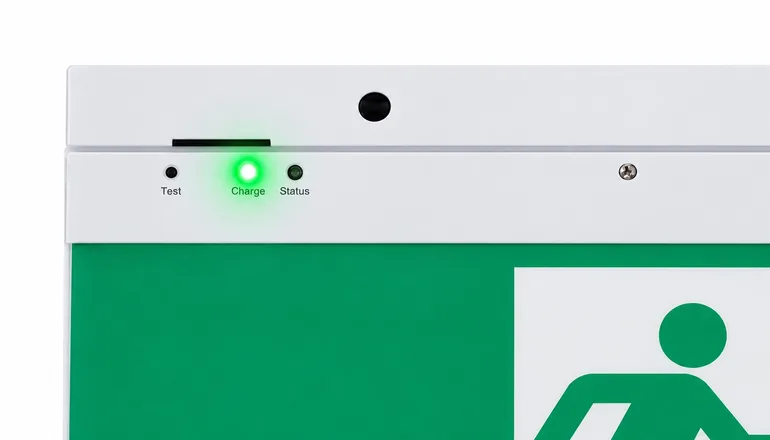
Solid Green Light
Battery is charging normally.
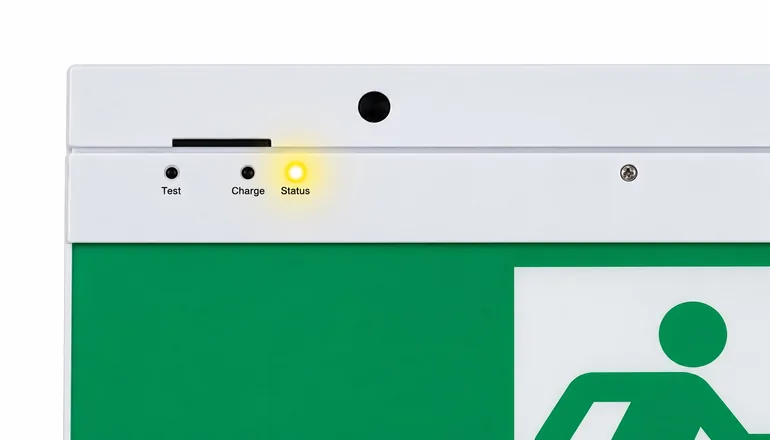
Solid Yellow Light
Unit is operating normally, awaiting the next scheduled self-test.
Slow Yellow Flashes 1
On for 2 seconds, off for 2 seconds. Self-test currently in progress.
Slow Yellow Flashes 2
On for 4 seconds, off for 1 second. Most recent self-test was successful.
Fast Yellow Flashes 3
On for 0.5 seconds, off for 0.5 seconds. Most recent self-test failed. Replace battery or re-test.
Featured products
Popular self-test fittings
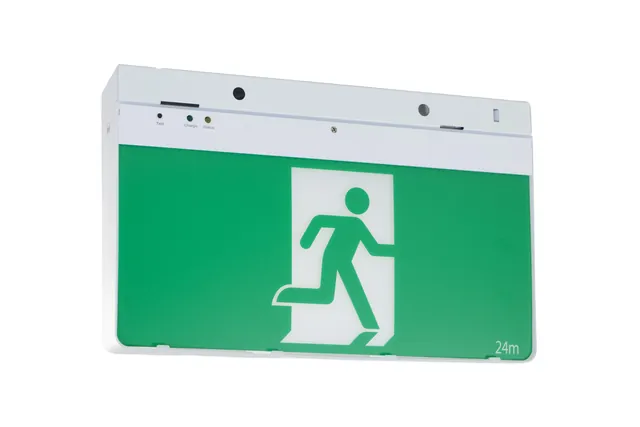
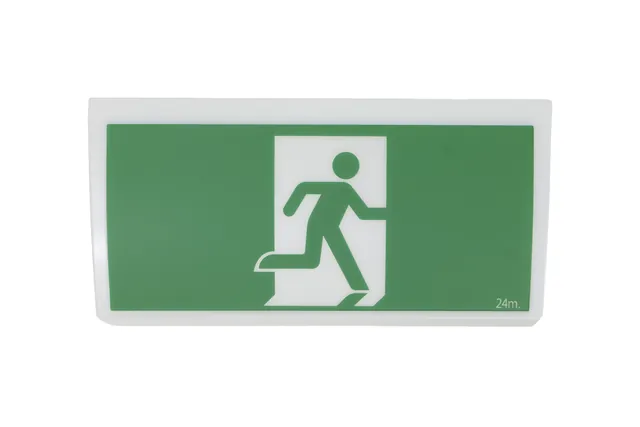
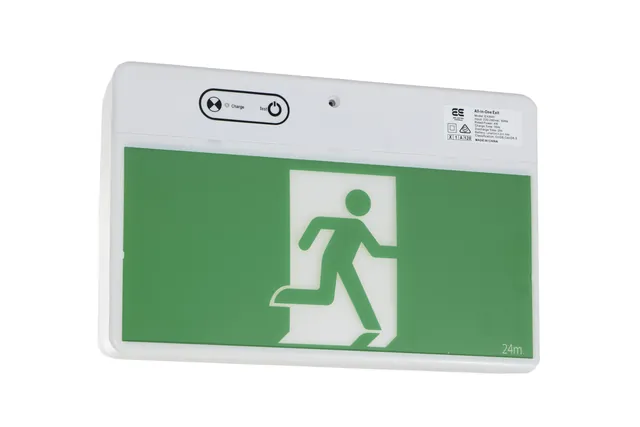
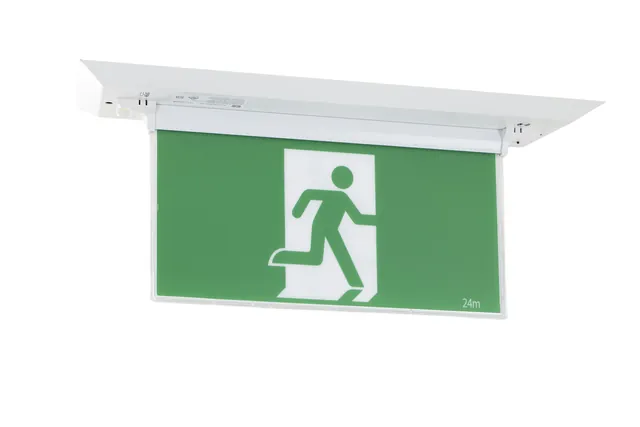
Why self-test
Tests Itself,
So You Don't Have To
No control system dependency
Each fitting monitors mains voltage and switches to battery on its own. Nothing to commission, nothing to network, nothing to fail centrally.
LiFePO4 lithium throughout
High-temperature lithium iron phosphate batteries across the full range. Chosen for thermal stability in ceiling voids and plant rooms.
Automatic testing, Zero manual effort
Self-test exit and emergency fittings run their compliance checks on their own. No need for staff to manually flick switches or track testing schedules.
Built-in compliance assurance
By continuously self-verifying, these units help facilities stay aligned with Australian standards without relying on manual test logs, reducing the risk of non-compliant.
How it works
From Installation to self-testing
Installation
Upon installation, the fitting immediately begins its battery charging cycle, preparing the unit for its first automatic self-test.
Charging
The initial charging cycle runs for 16 hours. If interrupted, the timer resets and charging starts from zero.
Initial self-test
After charging completes, the unit runs its first self-test for 2 hours, confirming 120 minutes of emergency operation.
Subsequent self-test
After initial test, subsequent self-tests run for 90 minutes every 90 days to ensure continued functionality.
- Compliance standard
- AS/NZS 2293
- Luminaire safety
- AS/NZS 60598.1
- Interference compliance
- EMC
- Lithium batteries
- LiFePO4
Applications
Where self-test lighting fits
| Application | Recommended |
|---|---|
 Commercial | EXSLIDE-ST, EXFIN-ST, EXFINSM-ST, EMD80-ST, EMD80SM-ST |
 Cold room | EXJUMBO40MWPRB-ST, EMD80WP-ST |
 Healthcare | EXSLIDE-ST, EXFIN-ST, EXFINSM-ST, EMD80-ST, EMD80SM-ST |
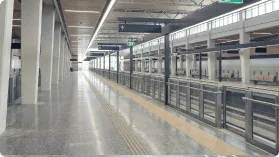 Transport | EXJUMBO40ML-ST, EXJUMBO40MWP-ST, EXSLIDE-ST, EMD80-ST, EMD80SM-ST |
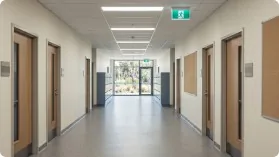 Education | EXSLIDE-ST, EXWAYBOXC-ST, EMD80-ST, EMD80SM-ST |
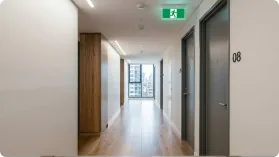 Residential | EXSLIDE-ST, EMD80-ST, EMD80SM-ST |
Trusted by
partners nationwide








Frequently asked questions
What is a self-test fitting, and why would I choose one over a standard unit?
A self-test fitting automatically checks it's own battery and emergency operation on a set schedule, without needing someone to manually activate a test. This removes the manual testing burden and reduces the risk of a faulty unit going unnoticed.
Do I need to do anything to activate the self-test feature?
No. Self-test functionality is automatic and built in. Once the fitting is powered on, it begins operating autonomously. There's no separate activation step or external switch required.
How long does the initial battery charge take?
16 hours from first power connection. The unit needs a full, uninterrupted charge before it runs its first self-test.
What happens if power is cut during the initial charging cycle?
The 16-hour timer resets, and the charging cycle starts over from the beginning once power is restored.
When does the first self-test happen, and how long does it run?
Immediately after the initial 16-hour charge completes, the unit runs its first self-test for 2 hours, confirming it can operate in emergency mode for at least 120 minutes.
What should I check during routine inspections?
Simply confirm the yellow LED is not fast-flashing. Any other LED state: solid green, solid yellow, or slow flashing yellow confirms normal operation.
What's the procedure if a self-test fails?
Press the test switch to check the LED responds. If the LED doesn't illuminate, replace the entire fitting. If the LED behaves as expected, replace the battery.
How do I reset the unit after replacing the battery?
Press the test switch 5 times within 5 seconds, or hold the test switch for at least 5 seconds. A single flash of the yellow LED confirms the reset was successful.
What battery type do these fittings use?
LiFePO4 (lithium iron phosphate) batteries.
Talk to the emergency lighting specialists
Whether you need product information, technical support, or stock for your next job, our team is here to help.