
Product Catalogue
The complete range of
compliant LED emergency lights
Product range
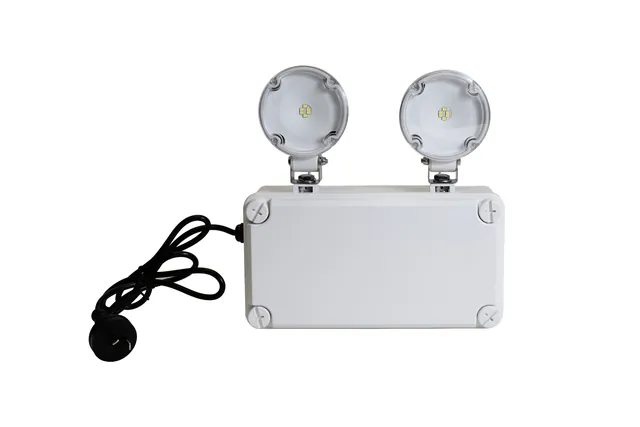
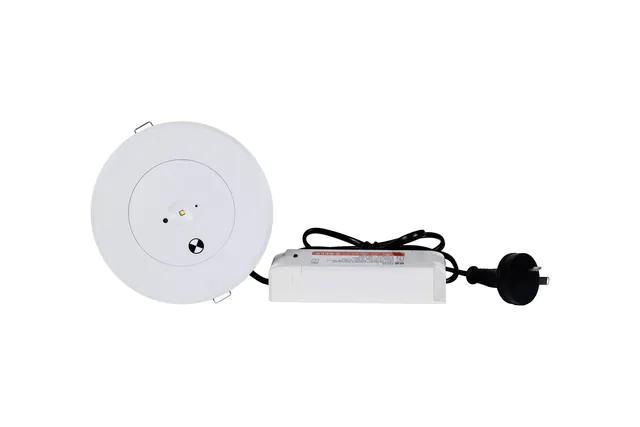
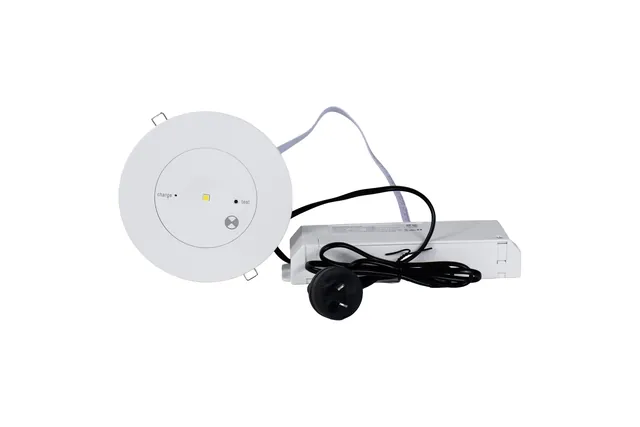
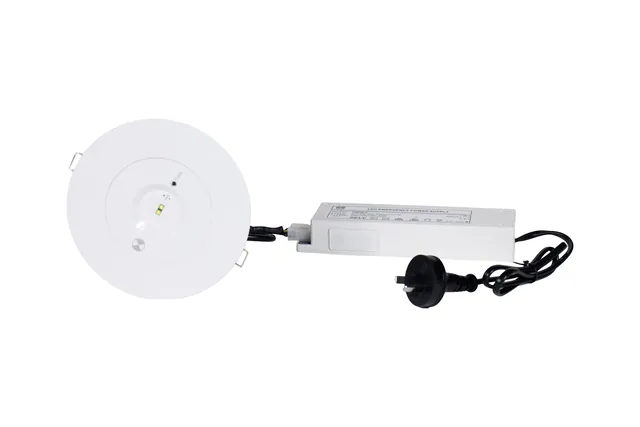
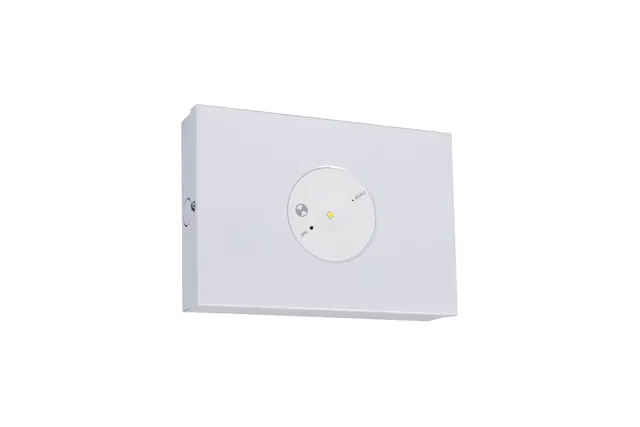
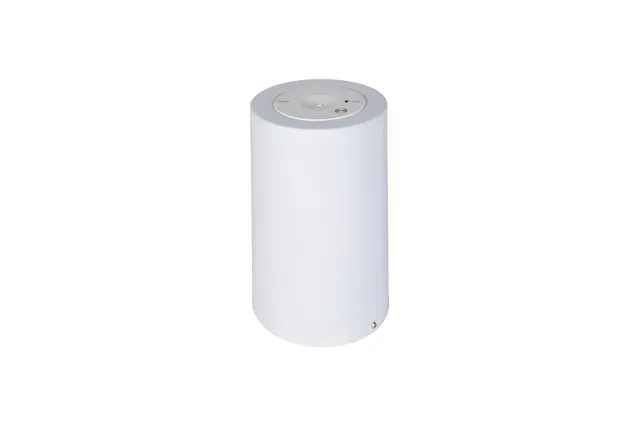
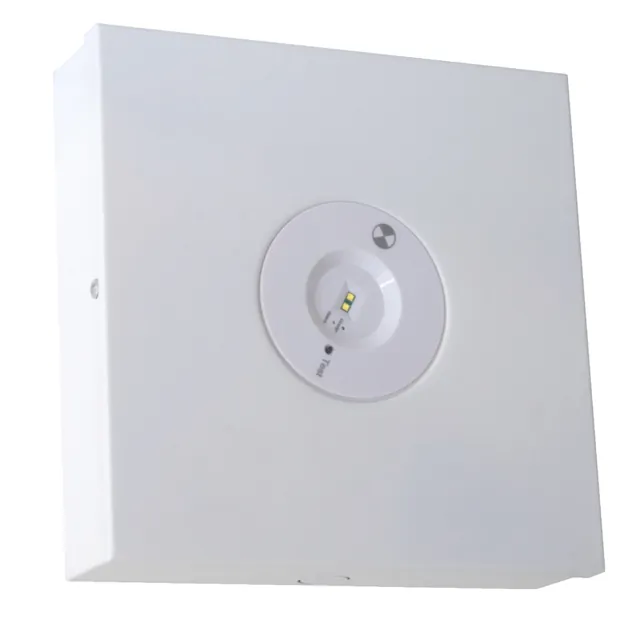
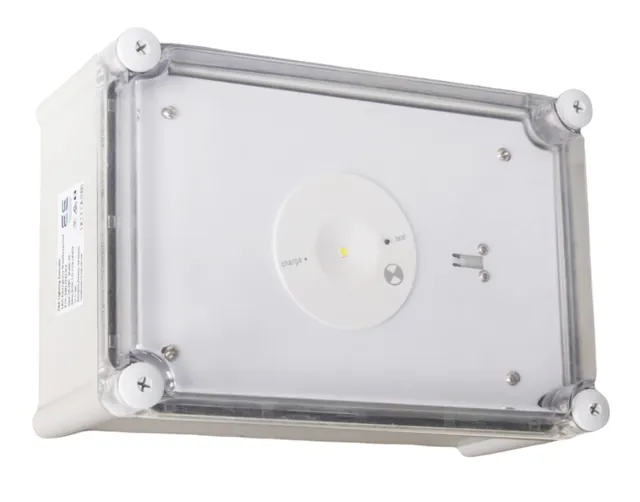
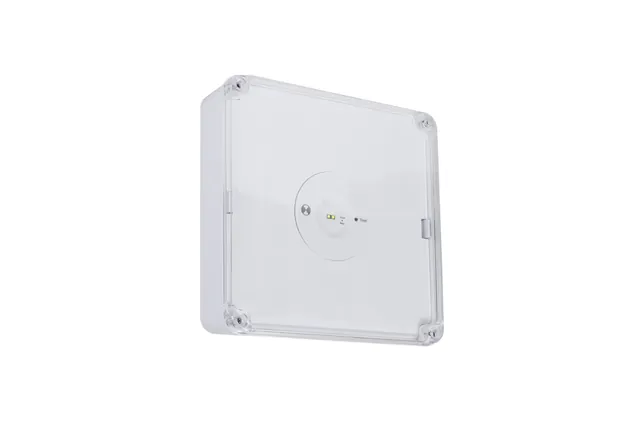
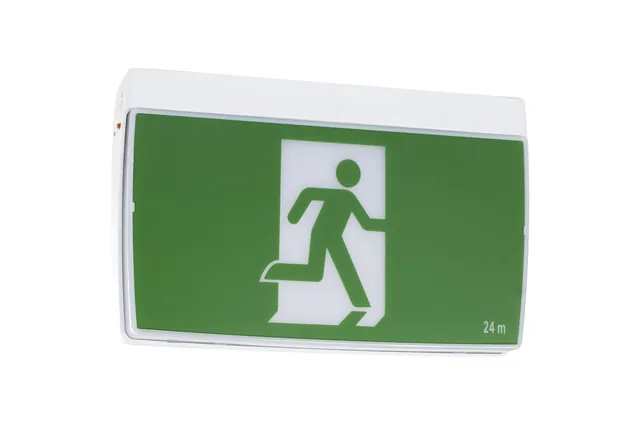
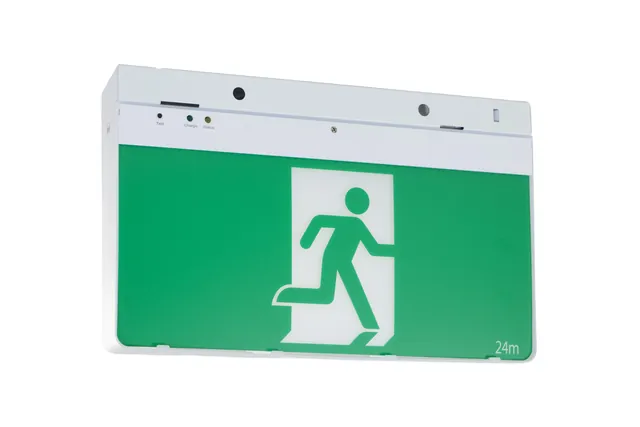
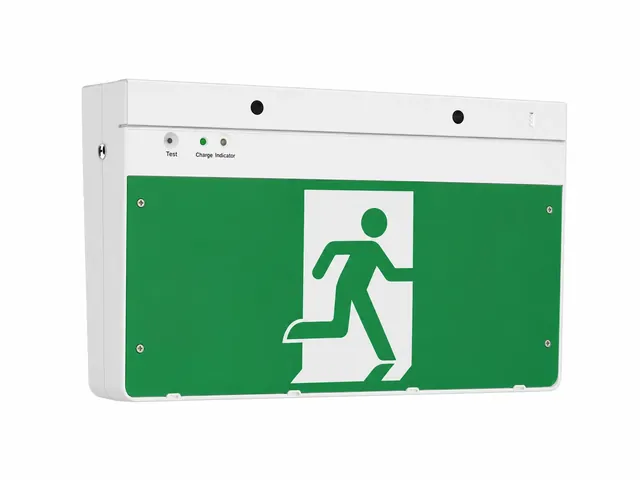
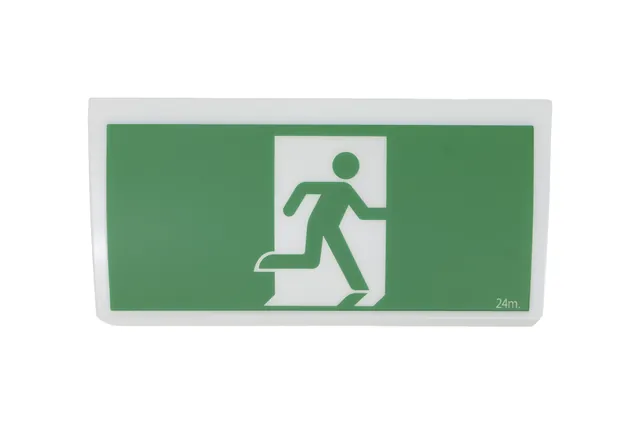
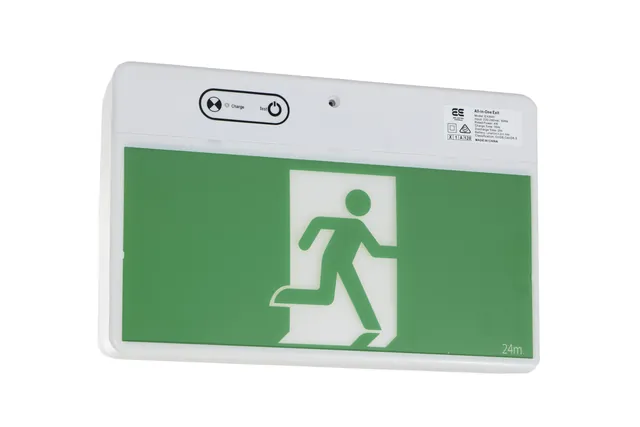
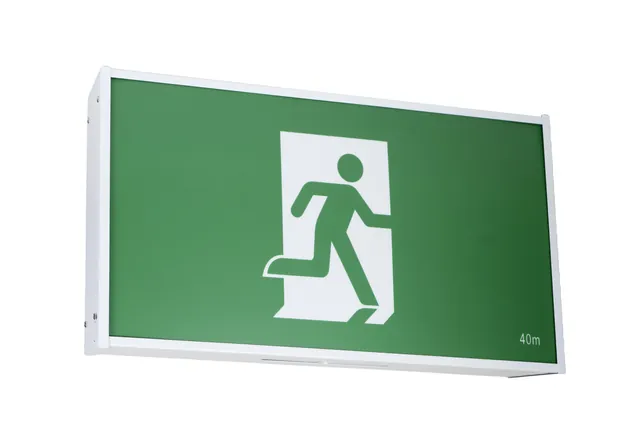
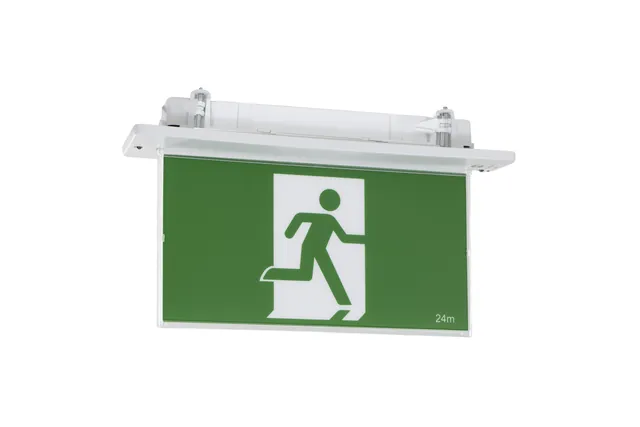
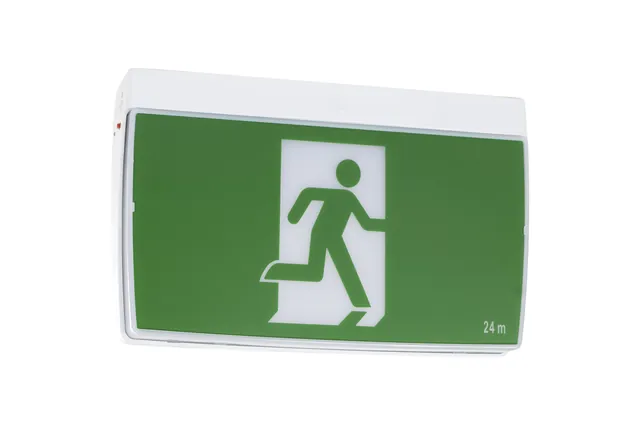
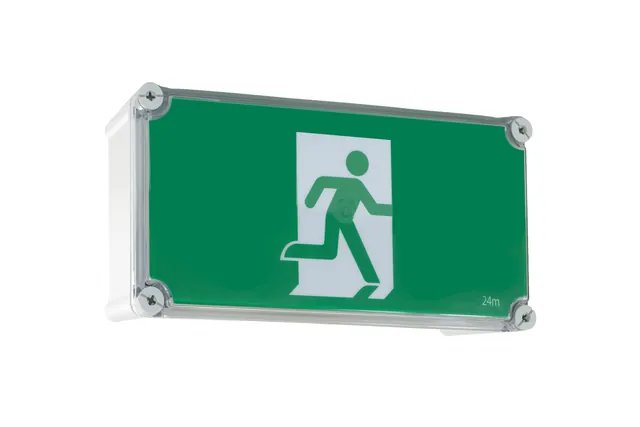
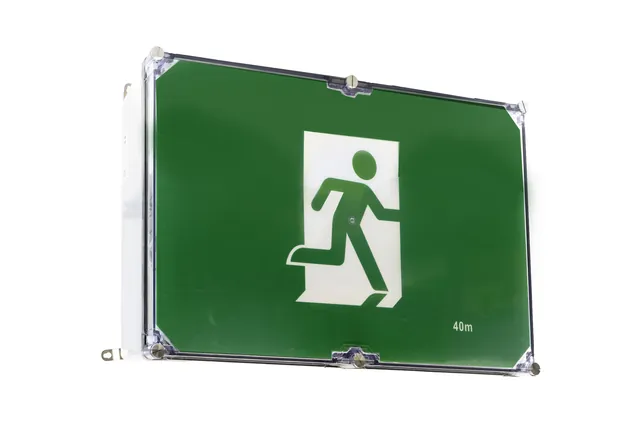
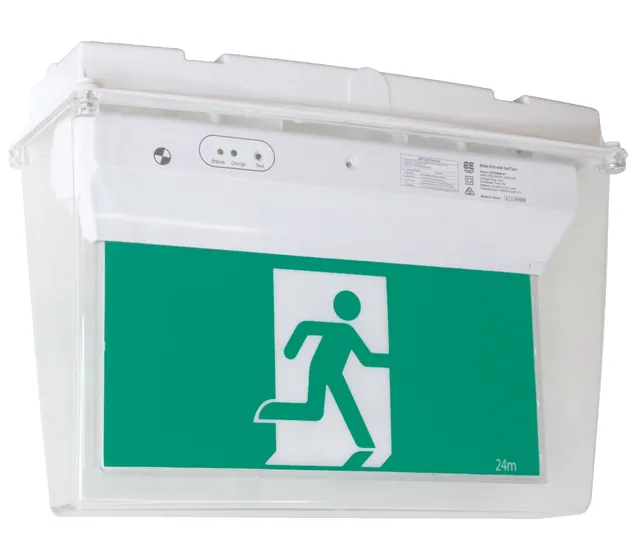
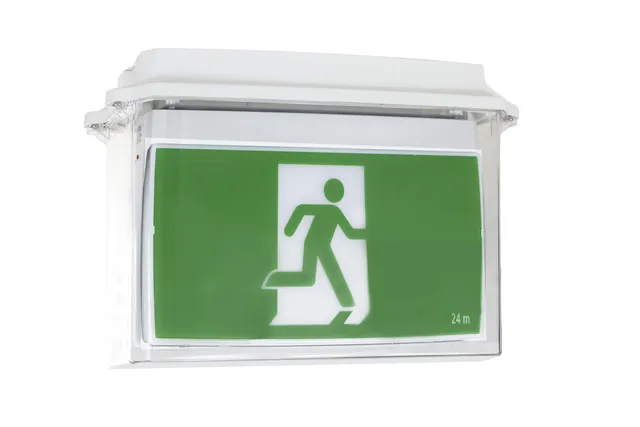
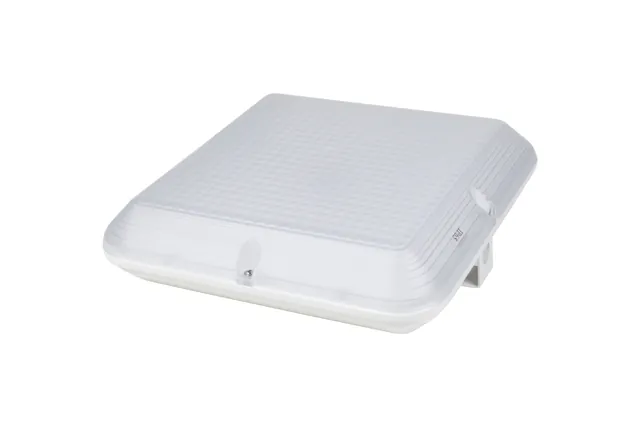
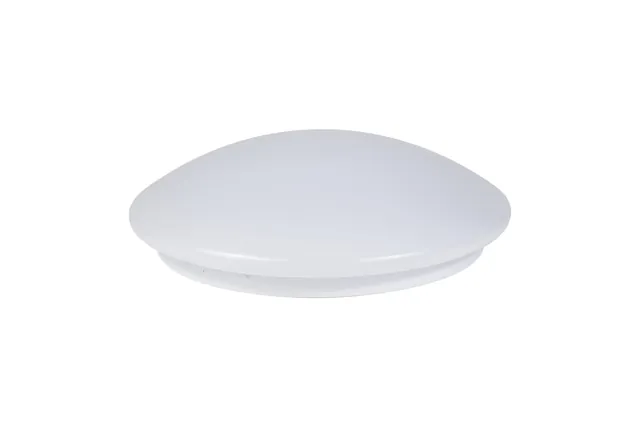
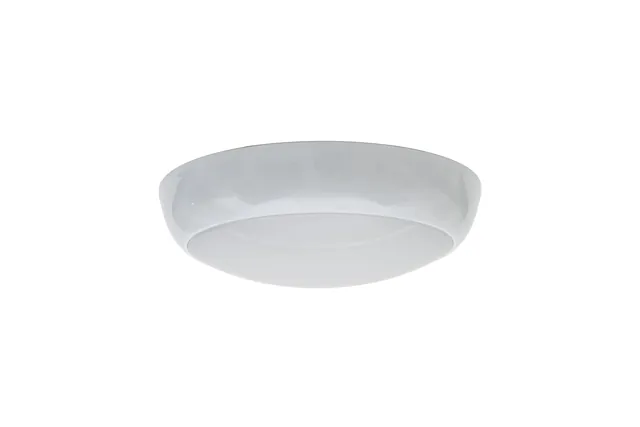
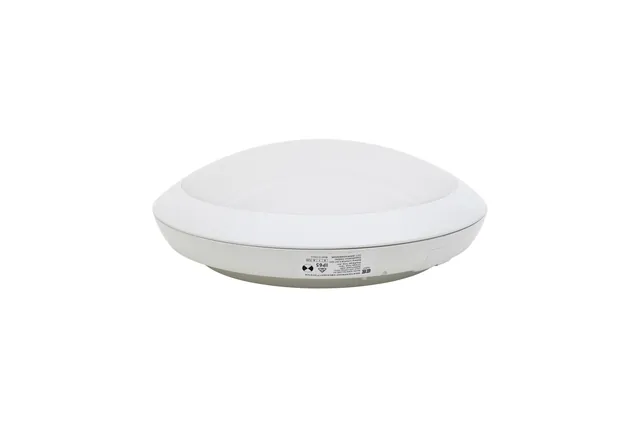
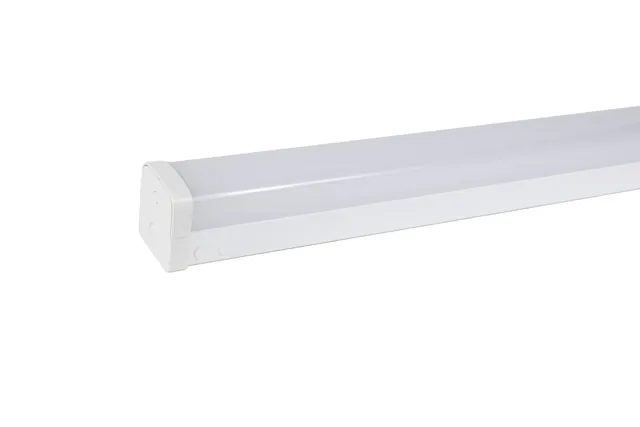
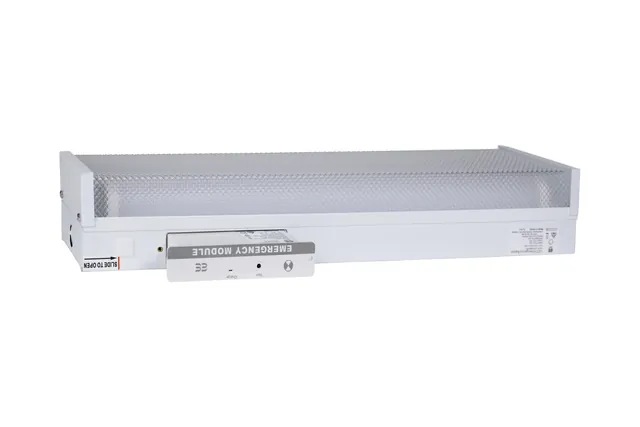
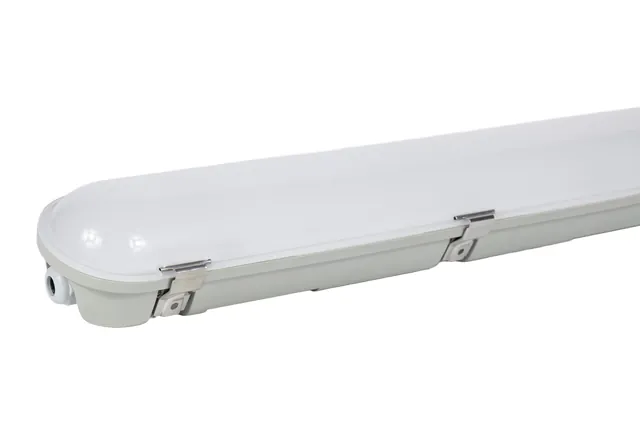
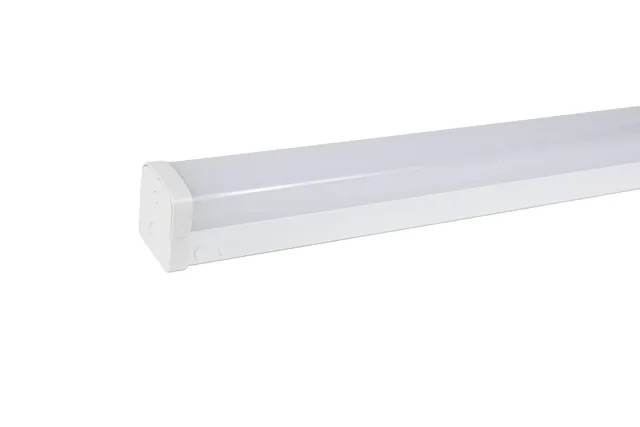
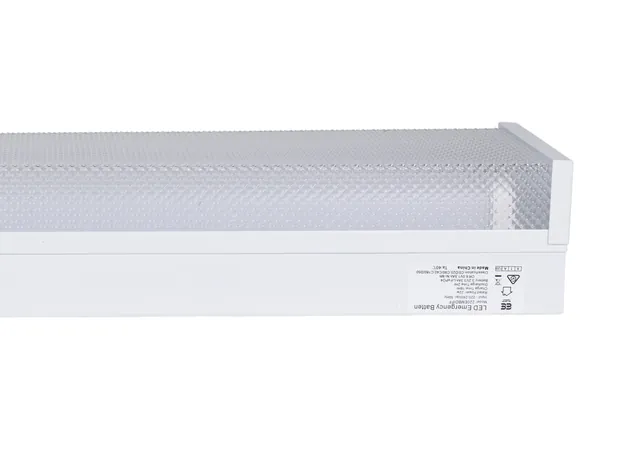
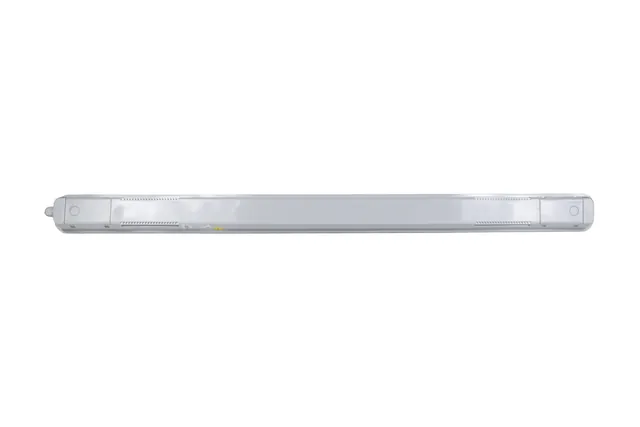
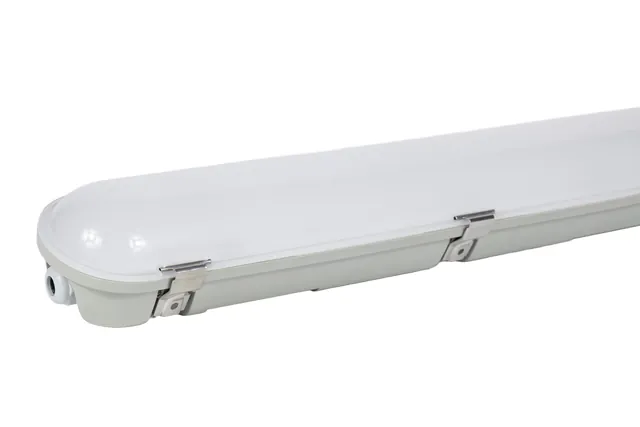
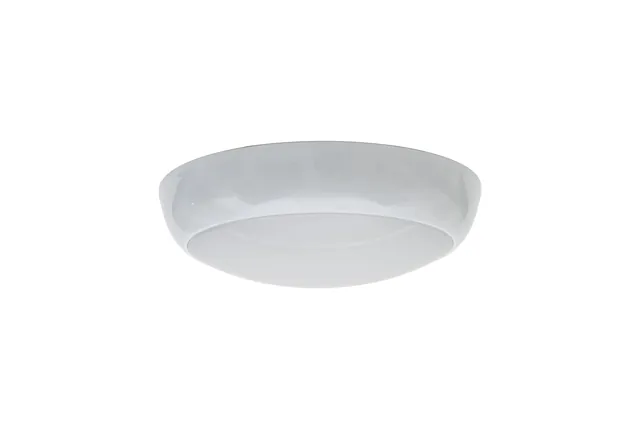
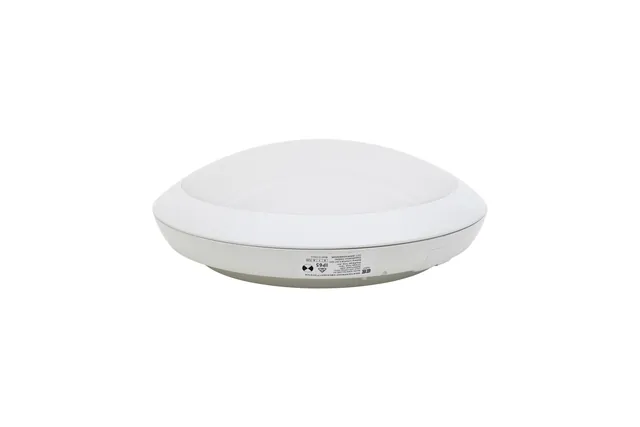
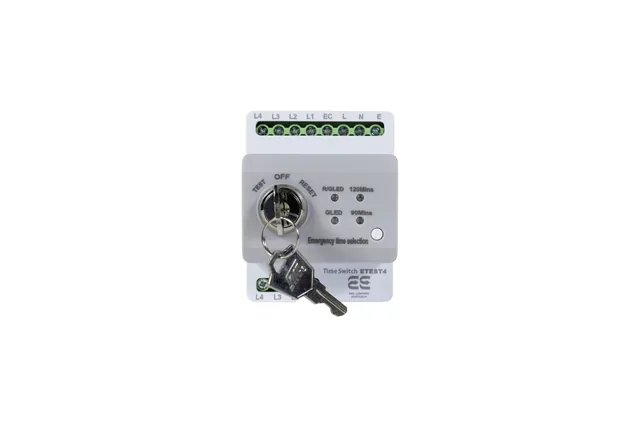
No products match your search.
Filters
Emergency Lights
Emergency lights are battery-backed luminaires that switch on automatically when mains power fails, lighting the path of travel so people can evacuate a building safely. In Australia, emergency lighting is required in most commercial, industrial and multi-residential buildings and must comply with AS/NZS 2293.
E&E Lighting Australia manufactures a complete range of LED emergency luminaires — recessed and surface-mount models in D32, D40 and D80 classifications, plus weatherproof, theatre black and floodlight options. Every fitting runs on a high-temperature LiFePO4 lithium battery and is designed and tested to AS/NZS 2293 and AS/NZS 60598.1.
- Compliant to AS/NZS 2293 and AS/NZS 60598.1
- Recessed and surface-mount models in D32, D40 and D80 classifications (higher classification allows wider spacing)
- Meets the minimum 90 minutes of emergency operation required by AS/NZS 2293.1
- High-temperature LiFePO4 lithium battery
- Self-test and remote box available on selected models
- White and black finishes to suit standard and dark ceilings
- Australian-owned manufacturer, stocked through leading electrical wholesalers
Types of emergency lights we supply
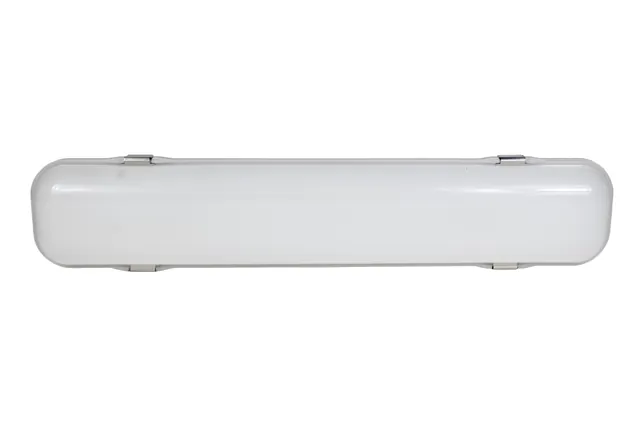
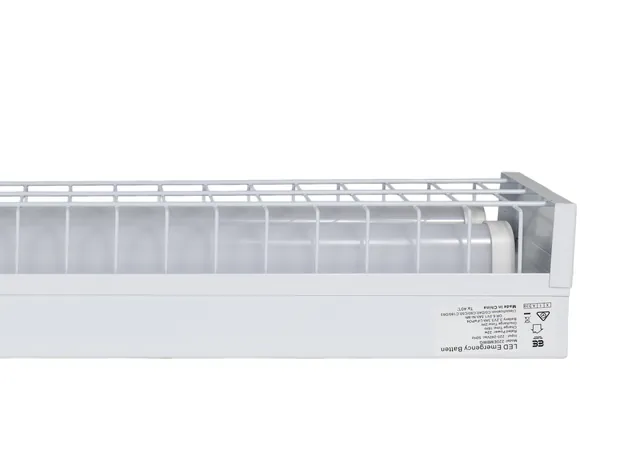
- Premium emergency: slimline recessed luminaires for offices, corridors and common areas.
- Economy emergency: a value recessed model for everyday projects.
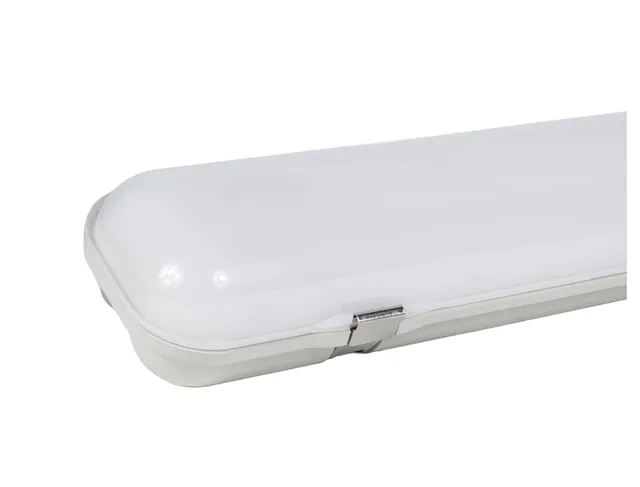
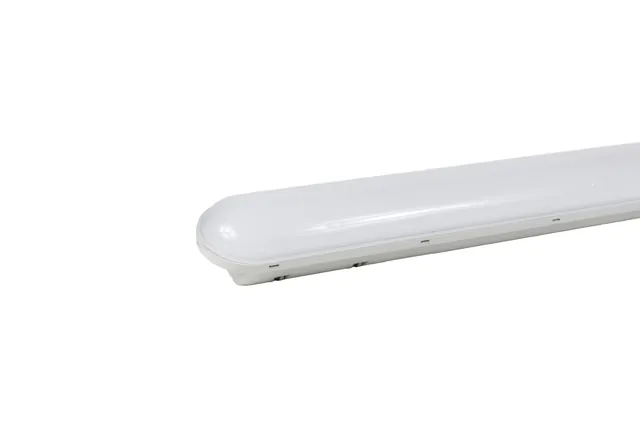
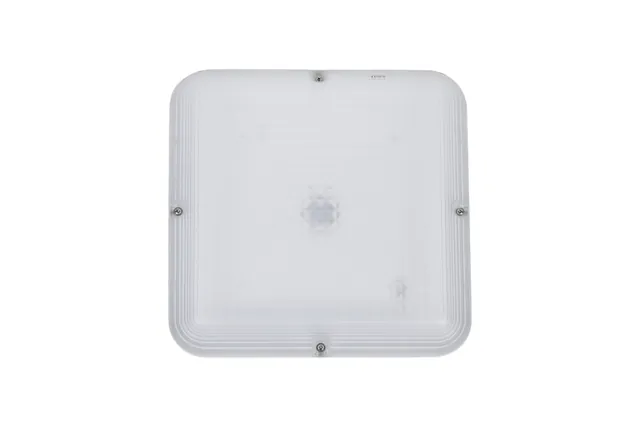
- Weatherproof emergency: sealed fittings for outdoor walkways, awnings and washdown areas.
- Theatre black emergency: black-finish luminaires that disappear into dark ceilings.
- Warehouse emergency: models classified for high mounting heights and wide luminaire spacing.
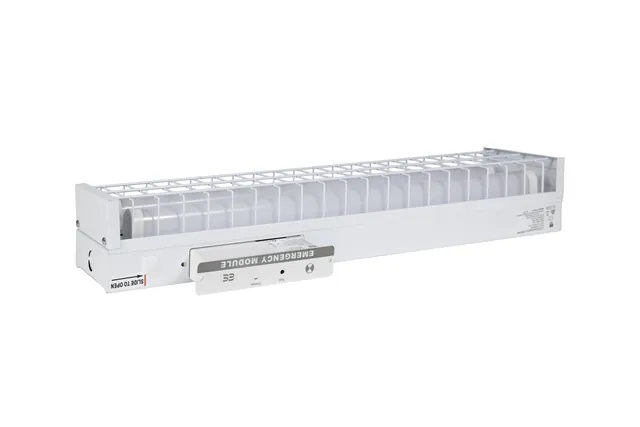
- Low temperature emergency: remote box models rated to -25° C, with the light head in the cold space and the battery and electronics mounted outside it.
How to choose an emergency light
- Match the classification to your spacing design: D32, D40 or D80 — higher classifications allow wider spacing between fittings.
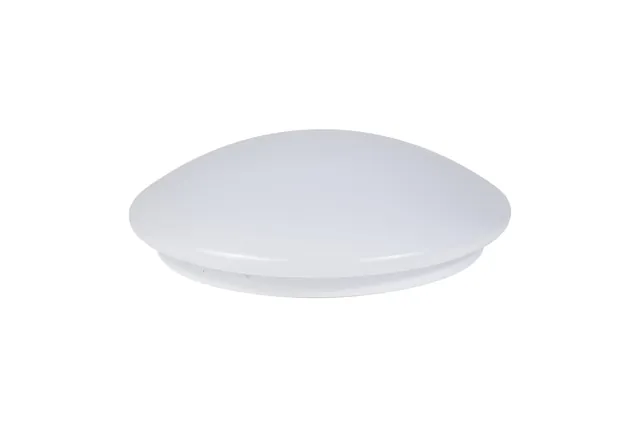
- Pick recessed for a flush ceiling finish, or surface-mount where there is no ceiling cavity.
- Rate the environment: indoor, weatherproof for outdoor and washdown areas, or low temperature for cold spaces.
- Decide on testing: a manual test switch, or a self-test model that runs its own discharge tests automatically.
Frequently asked questions
What is an emergency light?
An emergency light is a battery-backed luminaire that switches on automatically when mains power fails, illuminating the path of travel so occupants can evacuate safely. Under AS/NZS 2293 it must provide at least 90 minutes of illumination.
What is the difference between an exit light and an emergency light?
An exit light is an illuminated sign that shows where the exit is; an emergency light illuminates the path leading to it. Most buildings need both, working together as one AS/NZS 2293 emergency lighting system.
What does the D classification (D32, D40, D80) mean?
The classification comes from the luminaire's photometric data under AS/NZS 2293 and is used with the standard's spacing tables to work out how far apart fittings can be installed. A higher classification generally allows wider spacing between luminaires.
How long must emergency lights operate in a power failure?
AS/NZS 2293.1 requires a minimum of 90 minutes of illumination during a mains power failure. E&E self-test fittings verify at least 120 minutes on their commissioning test.
How often must emergency lighting be tested?
AS/NZS 2293.2 requires a 90 minute discharge test every six months, along with regular inspections, with the results recorded in a log book. E&E self-test models run the discharge test automatically every 90 days, twice as often as the minimum interval, though the recording and inspection duties still sit with the building owner.
What is a self-test emergency light?
A self-test emergency light runs its own discharge tests on the required schedule and shows the result through an LED indicator, removing the need to manually switch off circuits for routine testing.
Who can install emergency lighting?
Emergency lighting must be installed by a licensed electrician. E&E can also recommend consultants and electricians to assist with design and installation.