
Product Catalogue
The complete range of
compliant LED exit signs
Product range
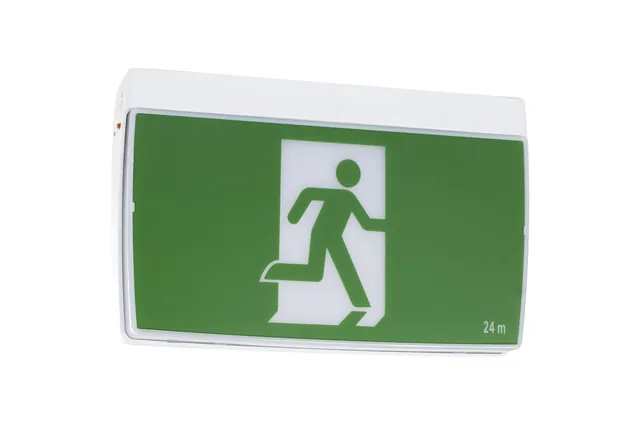
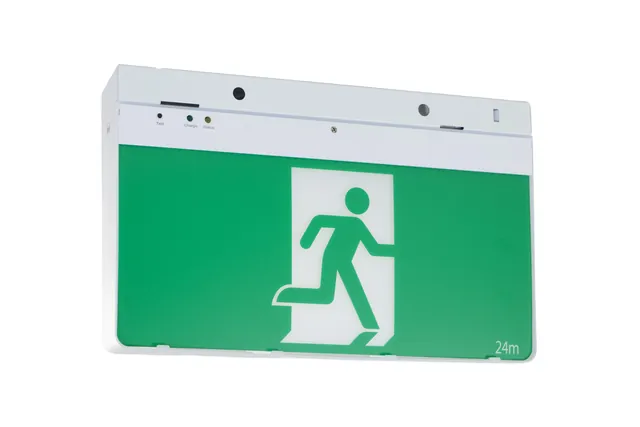
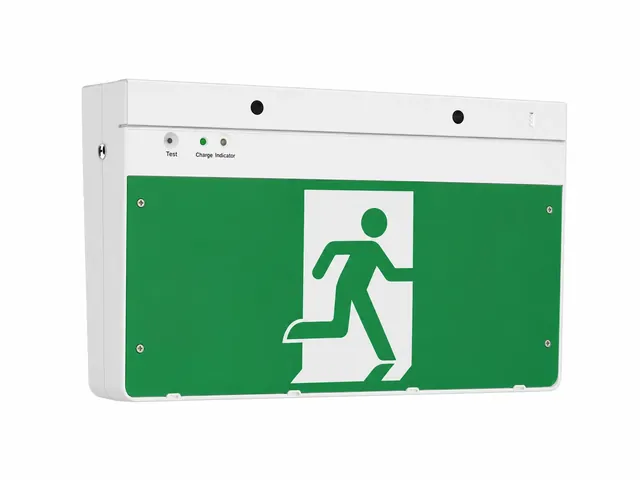
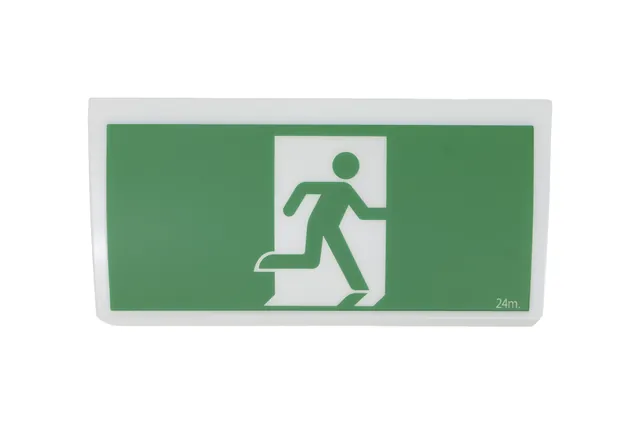
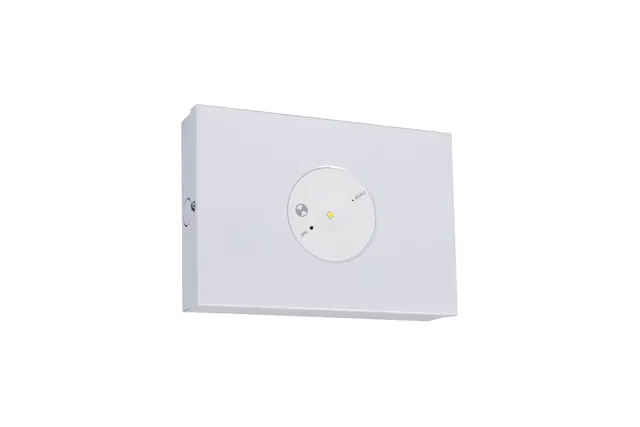
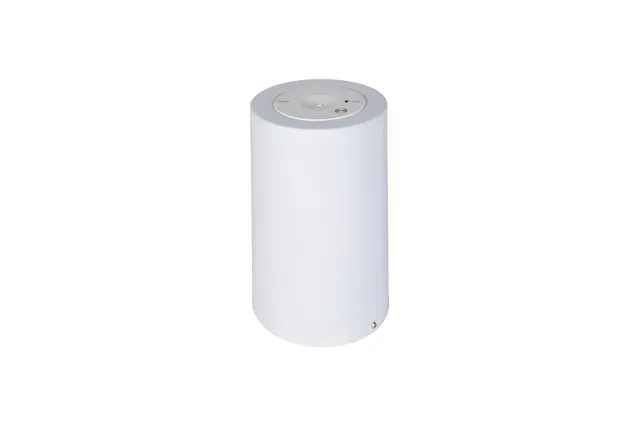
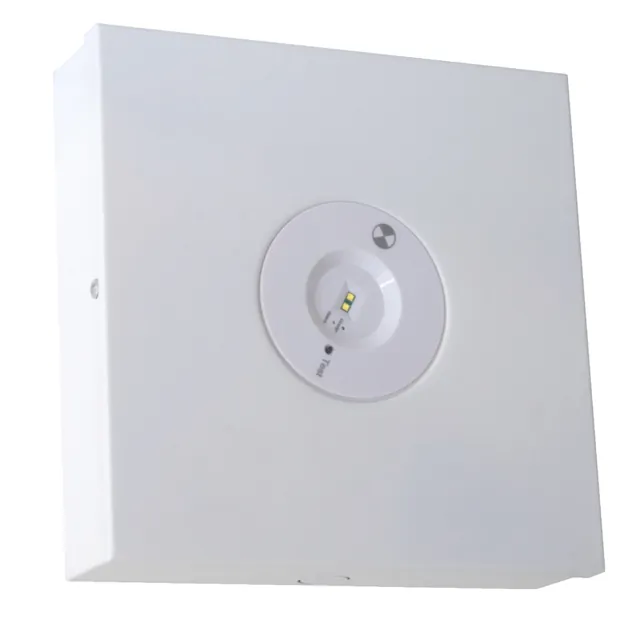
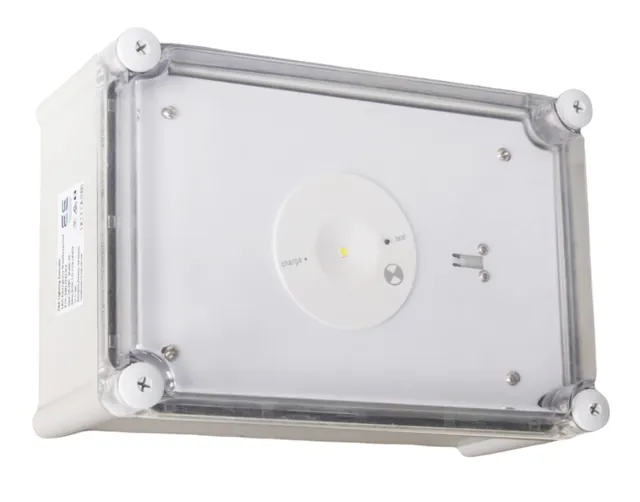
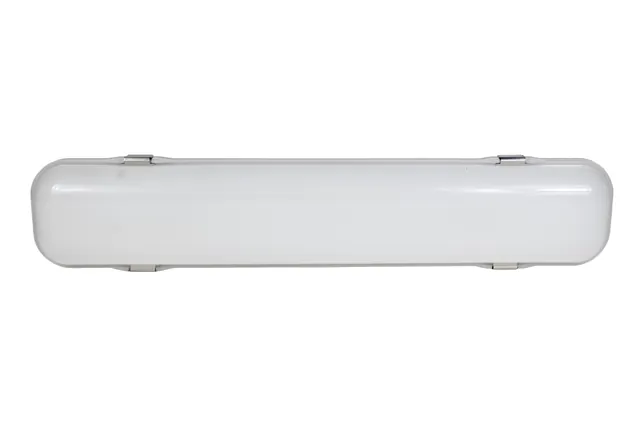
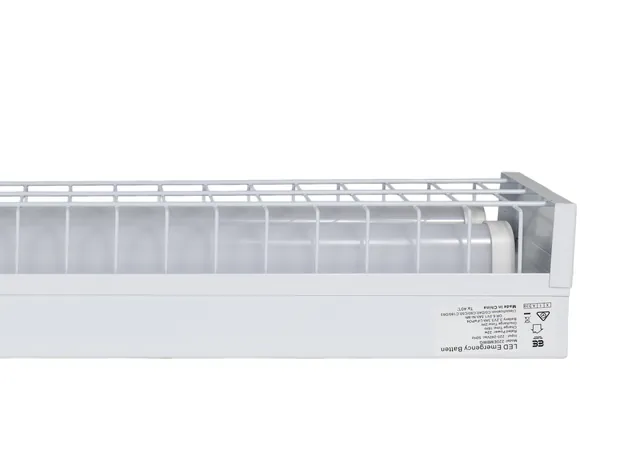
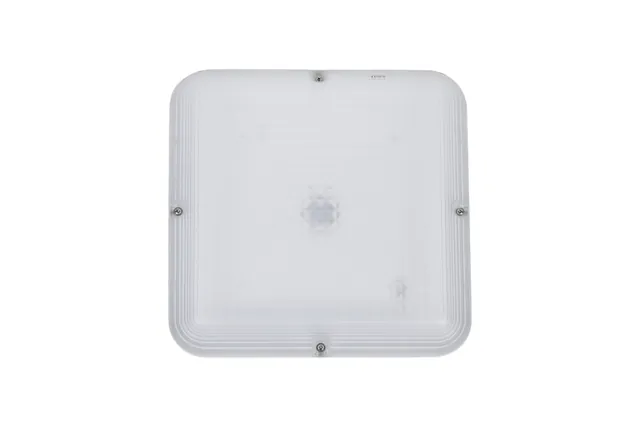
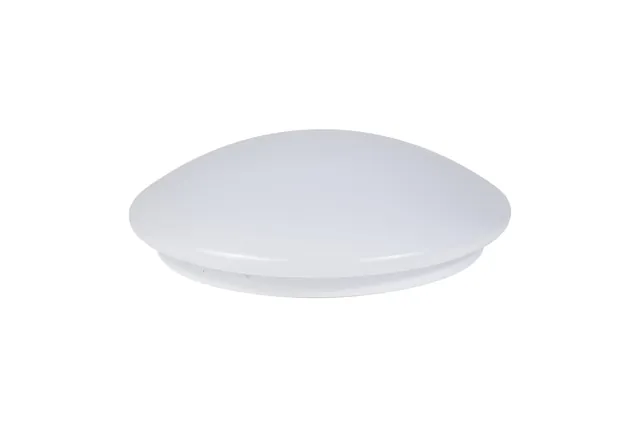
No products match your search.
Filters
Exit Lights
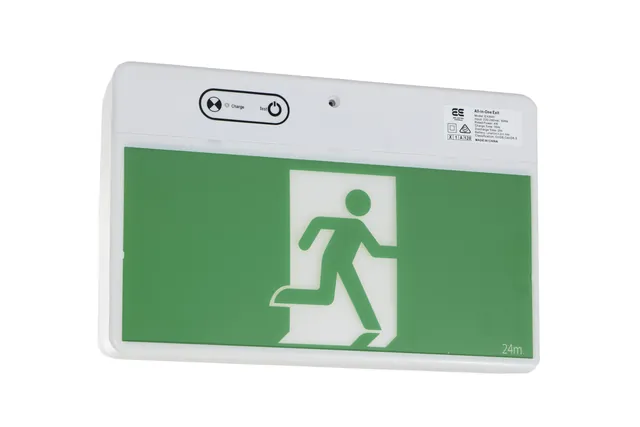
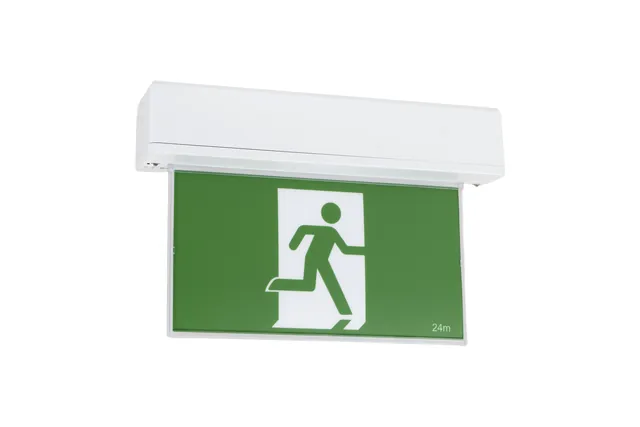
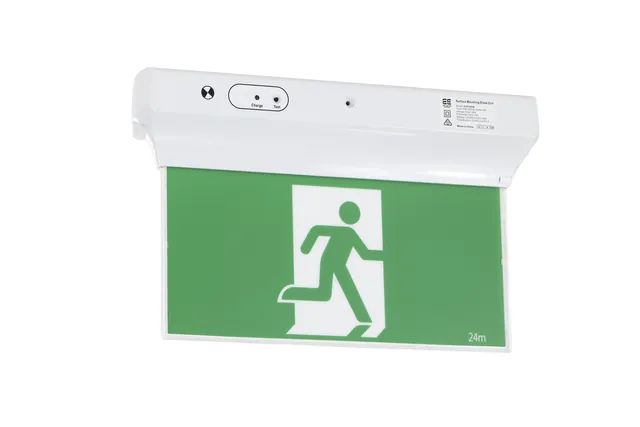
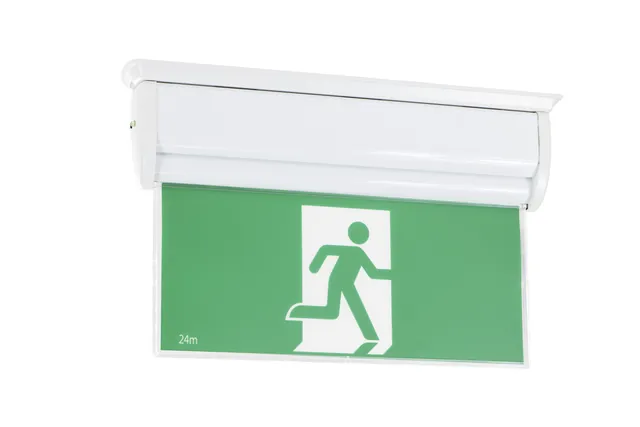
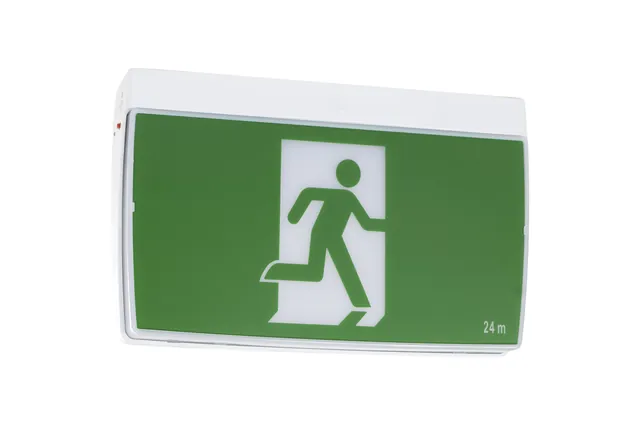
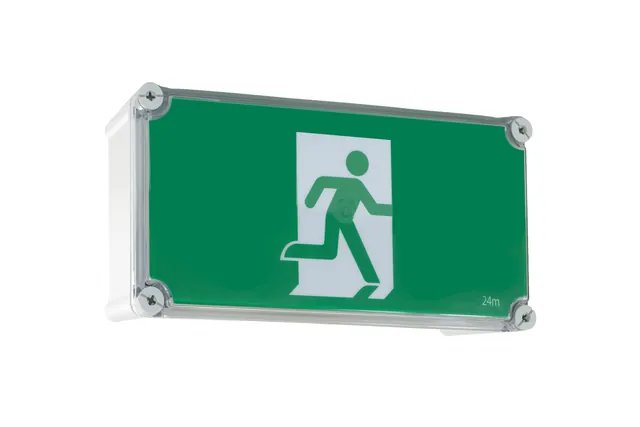
Exit lights are illuminated signs that mark the way to the nearest emergency exit so people can leave a building safely during a power failure or emergency. In Australia they are a mandatory part of most commercial, industrial and multi-residential buildings and must comply with AS/NZS 2293.
E&E Lighting Australia designs and manufactures a complete range of LED exit signs, from slimline all-in-one signs to recessed blade, box, jumbo and weatherproof models. Every fitting is built to AS/NZS 2293 and AS/NZS 60598.1, runs on a long-life LiFePO4 lithium battery, and is backed by Australian-based technical support.
- Compliant to AS/NZS 2293 and AS/NZS 60598.1
- Standard 24 metre viewing distance, with 40 metre jumbo options
- Mounting height 2.0 m to 2.7 m above floor level
- Meets the minimum 90 minutes of emergency operation required by AS/NZS 2293.1
- LiFePO4 lithium battery, LED rated to 50,000 hours
- Maintained and switch-maintained operation, with self-test options
- Australian-owned manufacturer, stocked through leading electrical wholesalers
Types of exit lights we supply
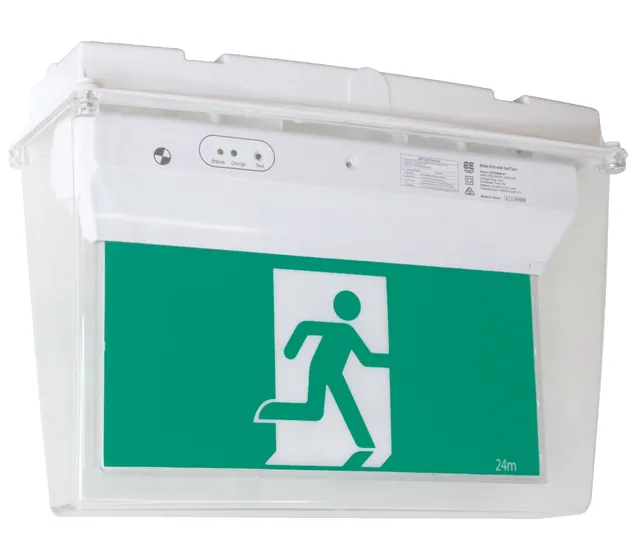
- Standard all-in-one: slimline surface-mount signs for everyday commercial fit-outs.
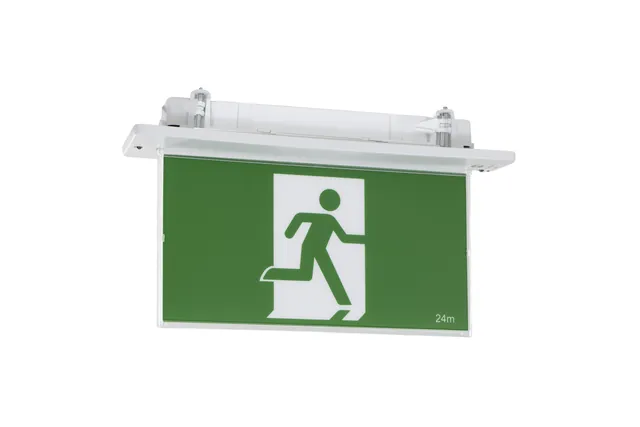
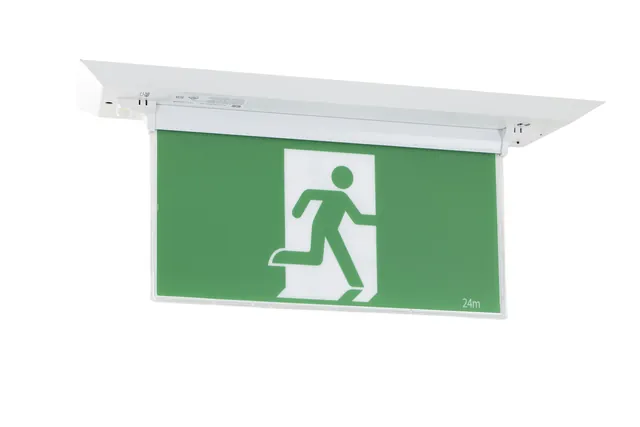
- Blade exits: recessed and surface-mount blade signs for a clean architectural finish.
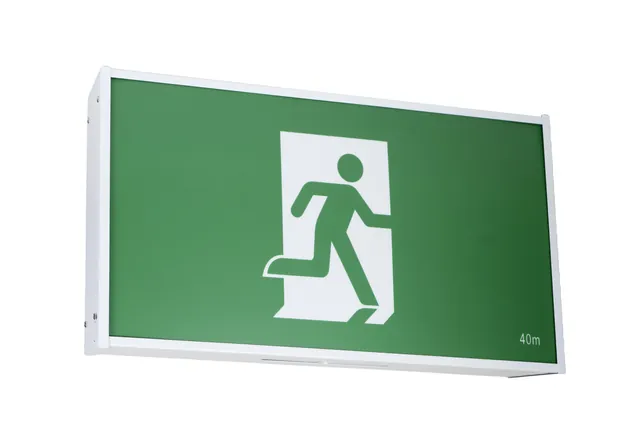
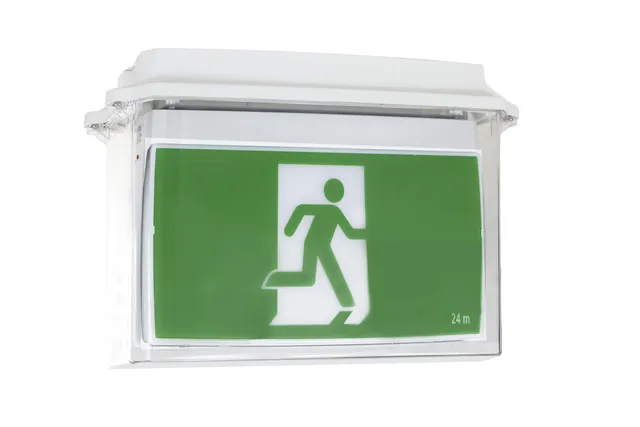
- Box exits: body-and-diffuser signs for wall or ceiling mounting.
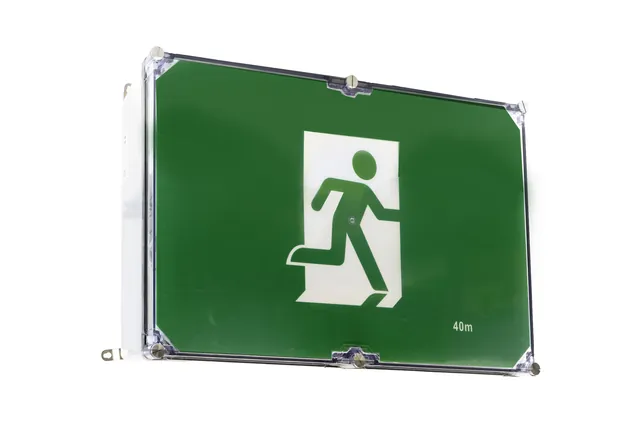
- Jumbo exits: high-visibility signs with a 40 metre viewing distance for large open spaces.
- Weatherproof exits: IP65 and IP67 rated for outdoor, washdown and cold-room areas.
- Theatre black: black-finish signs that blend into dark ceilings in cinemas and function spaces.
- Dynamic exits: connect to the building’s fire system and switch to a red X over a compromised route, guiding people to a safe exit instead.
- Economy, freezer, low temperature and temporary: value models, cold-store rated signs, and flex-and-plug signs for construction sites.
How to choose an exit light
- Match the viewing distance to the space: 24 m suits most corridors and rooms, 40 m suits warehouses and large halls.
- Choose the mounting to suit the ceiling: surface, recessed, wall or suspended.
- Rate the environment: indoor (IP20), weatherproof (IP65 or IP67), or freezer and cold room.
- Decide on testing: a manual test switch, or a self-test model that tests itself automatically and logs the result.
Frequently asked questions
What is an exit light?
An exit light, or exit sign, is an illuminated pictogram that shows the path to the nearest emergency exit. It stays visible during a mains power failure using an internal battery, guiding occupants safely out of the building.
Are exit signs a legal requirement in Australia?
Yes. Exit signs are compulsory in commercial, industrial and many residential buildings, as determined by the National Construction Code (formerly the Building Code of Australia), and must comply with AS/NZS 2293.
What standards do exit signs need to meet?
In Australia, exit and emergency lighting must comply with AS/NZS 2293 (emergency lighting systems) and AS/NZS 60598.1 (luminaire requirements). E&E fittings are designed and tested to both.
What is the maximum mounting height for an exit sign?
AS/NZS 2293.1 sets the mounting range at not less than 2.0 metres and not more than 2.7 metres above floor level, with exceptions for doorways higher than 2.7 metres. E&E datasheets confirm the 2.7 metre maximum and refer to AS/NZS 2293.1 for the exceptions.
What viewing distance do I need?
A standard exit sign has a 24 metre viewing distance, which suits most corridors and rooms. For large open areas such as warehouses, a 40 metre jumbo exit gives greater visibility.
What is the difference between maintained and non-maintained exit lights?
A maintained exit sign is illuminated at all times, including during normal power. A non-maintained sign only illuminates on battery during a power failure. Switch-maintained models can be switched on and also operate during a failure.
What is a self-test exit light?
A self-test exit light tests itself automatically. After a 16-hour initial charge it runs a 120 minute test, then a 90 minute test every 90 days, and shows the result through an LED indicator, so no one has to switch off circuits to run the discharge test. Recording and inspection duties under AS/NZS 2293.2 still apply.